
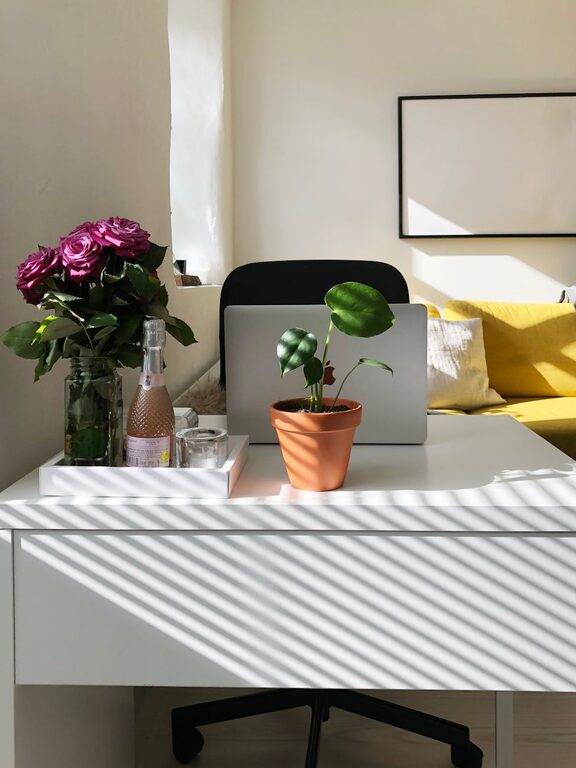
Working from home has become increasingly common, and having a productive home office can make all the difference in your workday. Whether you’re freelancing, running a small business, or simply need a quiet space to focus, a well-designed home office helps you stay organised, motivated, and comfortable. Here are some helpful tips to create a home office environment that supports productivity and wellbeing.
Choose the Right Location
Start by selecting a suitable space for your home office. This could be a spare room, a quiet corner, or even a converted closet. Consider these factors:
– Peace and quiet: Pick an area away from household distractions and noise.
– Natural light: Position your desk near a window if possible to benefit from natural light, which can boost mood and reduce eye strain.
– Privacy: If you share your home with others, choose a spot that offers privacy during working hours.
Invest in Comfortable Furniture
Comfort plays a crucial role in productivity. You’ll likely spend many hours sitting, so make sure your furniture supports good posture and reduces fatigue.
– Ergonomic chair: Choose a chair with adjustable height, lumbar support, and comfortable cushioning.
– Desk: Select a desk that fits your space and provides enough room for your computer, paperwork, and other essentials.
– Accessories: Consider an adjustable monitor stand or laptop riser to keep your screen at eye level, preventing neck strain.
Organise Your Space Efficiently
A cluttered workspace can be distracting and stressful. Keeping your home office tidy helps you focus and saves time when looking for documents or supplies.
– Storage solutions: Use filing cabinets, shelves, or drawer organisers to keep papers and office materials in order.
– Declutter regularly: Set aside a few minutes each day to clear your desk and file away documents.
– Use cable management: Tidy cables with clips or sleeves to prevent tangles and create a cleaner look.
Optimise Lighting
Proper lighting prevents eye strain and keeps you alert.
– Combine natural and artificial light: Use overhead lighting supplemented by task lamps on your desk.
– Avoid glare: Position screens so they don’t reflect bright windows or lights.
– Adjustable lighting: Choose lamps with adjustable brightness so you can tailor the light to different times of day.
Minimise Distractions
Creating boundaries helps you focus on work and improves your productivity.
– Set work hours: Define your working times and communicate these to family or housemates.
– Use noise-cancelling headphones: These can help block out background noise.
– Limit phone and social media use: Consider apps or browser extensions that restrict access during work periods.
Personalise Your Workspace
Adding personal touches can make your home office more inviting and motivating.
– Plants: Indoor plants improve air quality and add a sense of calm.
– Artwork or posters: Inspirational quotes or art can boost creativity.
– Comfort items: A cushion or footrest can increase comfort during long working sessions.
Keep Technology Updated and Organised
Having reliable technology is essential for efficient work.
– Fast internet connection: Ensure your broadband speed suits video calls, uploading, and downloading.
– Regular backups: Protect your work by backing up files to the cloud or an external drive.
– Organised desktop: Arrange files and folders logically to find what you need quickly.
Take Regular Breaks
To maintain productivity and wellbeing, it’s important to move away from your desk throughout the day.
– Use the Pomodoro technique: Work for focused 25-minute intervals followed by 5-minute breaks.
– Stretch or walk: Physical movement helps to reduce stiffness and improve circulation.
– Hydrate and snack healthily: Keep water and nutritious snacks within reach.
Maintain Good Air Quality
A well-ventilated space helps keep your mind clear and energy levels up.
– Open windows regularly: Fresh air circulates and reduces stuffiness.
– Air purifying plants: Many plants help filter indoor pollutants.
– Avoid strong odours: Limit usage of scented candles or sprays that might cause irritation.
Final Thoughts
Designing a productive home office is about creating a space that balances comfort, function, and personal preference. By choosing the right location, investing in ergonomic furniture, organising thoughtfully, and managing distractions, you can build a workspace that supports your best work. Remember, small changes can make a big difference to your productivity and satisfaction when working from home.