
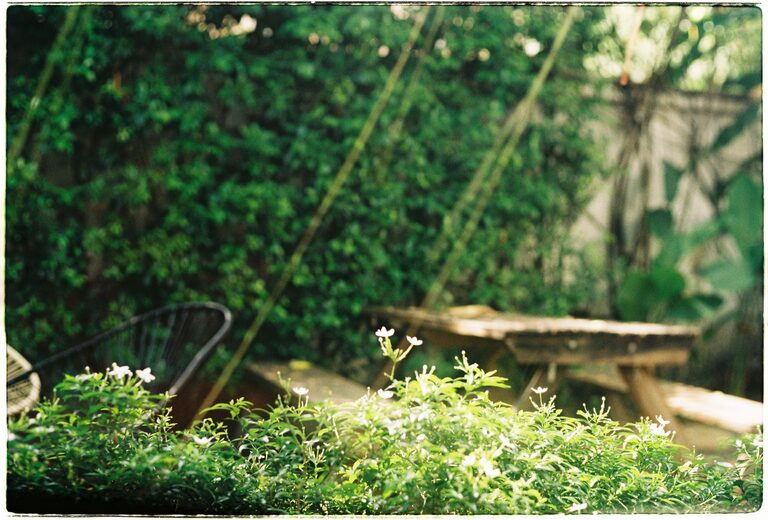
Creating a relaxing garden space at home is a wonderful way to enjoy the outdoors, reduce stress, and boost your well-being. Whether you have a large backyard or a small balcony, you can transform it into a peaceful haven tailored to your needs. This guide offers practical tips to help you design and maintain a garden space that invites calm and relaxation.
Choose the Right Location
When planning your garden space, consider where you feel most comfortable and at ease. Look for a spot that gets the right amount of sunlight according to the plants you want to grow. A south-facing area tends to get more sun, which is ideal for many flowering plants, while shaded corners can work well for ferns and shade-tolerant species.
Also, think about privacy. A secluded corner, screened by hedges or a fence, can make your garden feel like a true retreat. If privacy is limited, use trellises with climbing plants or a lightweight garden screen to create a sense of enclosure.
Incorporate Comfortable Seating
To truly enjoy your garden, include comfortable seating options. This could be a wooden bench, a hammock, a swing chair, or cushioned garden furniture. Make sure the seating suits your style and the space available.
Adding cushions and throws can enhance comfort, while weather-resistant fabrics ensure durability. Position your seating to face a focal point such as a flower bed, water feature, or even the sky for stargazing at night.
Use Calming Colours and Plants
Colour has a significant impact on mood, so choose plants and accessories that foster relaxation. Soft hues like lavender, pale blues, greens, and whites can create a serene atmosphere.
Plants to Consider:
– Lavender: Known for its scent and calming properties.
– Jasmine: Its sweet fragrance is soothing.
– Ferns: Excellent for shaded areas and add lush greenery.
– Hostas: Elegant leaves that thrive in shade.
– Hydrangeas: Big blooms with gentle colours.
– Herbs: Such as chamomile or mint, which add aroma and can be used in teas.
Mix different textures and heights to add interest without overwhelming the senses.
Add Water Features
The sound of water is naturally calming and can mask unwanted noises like traffic. Consider incorporating a small pond, a tabletop fountain, or a birdbath.
If space is limited, a small water bowl with floating candles or aquatic plants can also make a beautiful addition. Regular maintenance is important to keep the water fresh and inviting.
Use Soft Lighting
Garden lighting can extend the hours you spend outside and add a relaxing ambiance in the evening. Choose soft, warm white lights rather than harsh, bright ones.
Options include:
– Solar-powered stake lights along pathways.
– String lights draped over pergolas or fences.
– LED lanterns on tables or hanging from hooks.
– Candle lanterns for a gentle flicker.
These lighting choices create cosy spots where you can read, meditate, or enjoy a quiet meal.
Incorporate Natural Materials
Using natural materials in your garden design helps connect the space with the outdoors and fosters a sense of calm.
Consider:
– Wooden furniture and decking.
– Stone or brick pathways.
– Clay pots and planters.
– Bamboo screens or garden markers.
These elements age gracefully and blend seamlessly with plants and greenery.
Create Zones for Different Activities
If space allows, design different areas for various relaxing activities. For example:
– A reading nook with a comfortable chair and side table.
– A meditation or yoga corner with a soft mat and cushions.
– A dining area for alfresco meals.
– A play area for children or pets.
Zoning your garden helps cater to different moods and needs, making the space more enjoyable.
Maintain Your Garden Regularly
Keeping your garden well-tended enhances its beauty and your experience. Regular watering, pruning, and weeding prevent plants from becoming unruly or stressed.
Set aside time each week for garden care. This routine can itself be a calming activity, allowing you to connect with nature.
Add Personal Touches
Finally, infuse your garden space with items that reflect your personality. This might include:
– Favourite garden ornaments.
– Wind chimes that produce gentle sounds.
– Artwork designed for outdoor display.
– A small library box with books for outdoor reading.
Personal touches make your garden feel welcoming and uniquely yours.
Conclusion
Creating a relaxing home garden space is all about combining comfort, natural beauty, and personal style. By choosing the right location, adding soothing plants, comfortable seating, and calming features like water and soft lighting, you can craft a sanctuary that invites peace and enjoyment every day. Remember, your garden is a reflection of you—take the time to nurture it, and it will nurture your wellbeing in return.