
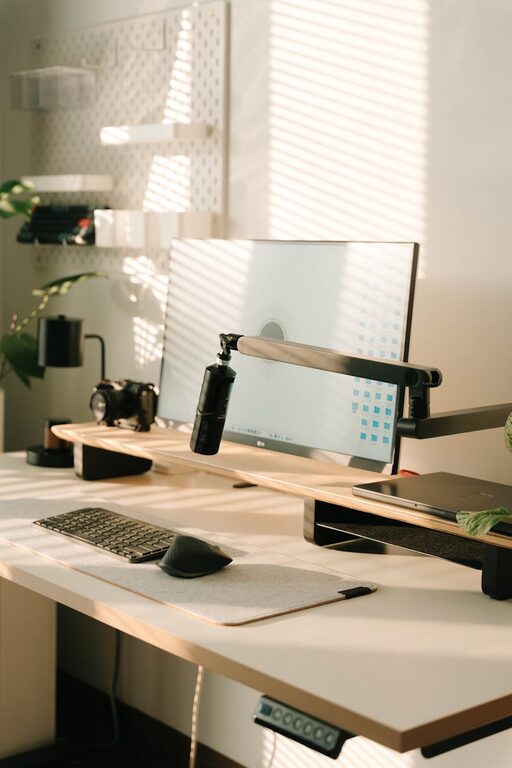
Creating a productive home office environment is more important than ever as more people embrace remote working. A well-designed space can help you maintain focus, reduce stress, and increase efficiency. Whether you have a dedicated room or a small corner in your home, these tips will help you build an office that supports your workday.
Choose the Right Location
Finding the best spot for your home office is the first step. Ideally, select a quiet area away from high-traffic zones like the kitchen or living room. Having some privacy helps to minimise distractions and create a mental boundary between work and personal life.
If space is limited, look for a corner that can accommodate a desk and chair comfortably. Natural light is also a big plus, so try to set up near a window if possible.
Invest in Comfortable, Ergonomic Furniture
Comfort is key when you’re spending hours at a desk. Select an ergonomic chair that supports your back and encourages good posture. Look for adjustable features so you can customise the height and angle according to your needs.
A desk at the right height reduces strain on your wrists and shoulders. Standing desks or adjustable sit-stand options are worth considering for added movement throughout the day.
Organise Your Workspace Efficiently
A clutter-free desk helps clear the mind. Use drawers, shelves, or storage boxes to keep supplies neat and within easy reach. Organise cables with clips or cable organisers to avoid tangled wires.
Consider a filing system for paperwork, whether digital or paper-based. Label folders clearly to speed up document retrieval and maintain order.
Ensure Good Lighting
Proper lighting protects your eyes and boosts concentration. Combine natural light with adjustable task lighting, such as a desk lamp, to reduce glare and eye strain.
Avoid positioning your screen directly in front of or behind bright windows, as this can cause uncomfortable reflections.
Minimise Distractions
Creating boundaries to reduce interruptions enhances productivity. Inform family members or housemates of your work hours and the importance of not disturbing you unless necessary.
Use noise-cancelling headphones or soft background music if ambient noise is an issue. Turning off non-essential notifications on devices during work hours also helps maintain focus.
Personalise Your Space Thoughtfully
Adding personal touches can make your home office inviting without becoming a distraction. Choose a few items like plants, artwork, or motivational quotes that inspire you.
Ensure these elements contribute to a positive atmosphere and don’t overcrowd your workspace.
Incorporate Break Areas and Movement
A productive environment also means taking regular breaks. If possible, create a small area near your desk for stretching or relaxing during brief pauses.
Set reminders to stand up and move around every hour to avoid stiffness and boost circulation. Simple stretches or a short walk can refresh your mind and body.
Use Technology to Your Advantage
Opt for reliable internet and up-to-date equipment to avoid technical frustrations. Invest in accessories like a quality keyboard, mouse, and headset tailored to your preferences.
Organise your digital files and use productivity apps to keep track of tasks and deadlines. Regular digital decluttering can prevent distractions caused by an overloaded device.
Maintain a Routine and Set Boundaries
Establishing a clear daily routine helps shape your workday mindset. Set specific start and finish times, along with breaks, to prevent burnout.
Avoid using your work area for hobbies or relaxation outside office hours, as mixing these can make it harder to switch off.
—
By paying attention to these factors, you can cultivate a home office environment that not only supports your work demands but also promotes well-being. Small improvements in layout, comfort, and organisation can make a big difference in daily productivity and satisfaction.