
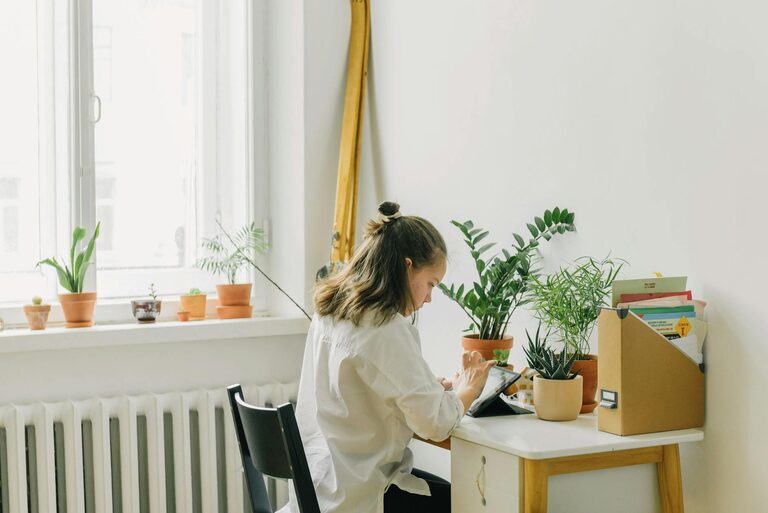
Creating a home workspace that balances relaxation and productivity can transform the way you work. With more people working from home than ever before, having an environment that supports focus without feeling stressful is essential. Whether you have a dedicated room or a corner in your living space, a few thoughtful adjustments can make your workspace both calming and efficient.
Start with the Right Location
Finding the best spot in your home for work is key. Ideally, choose a quiet area away from heavy foot traffic or distractions. Natural light can boost mood and alertness, so a space near a window is a real advantage. If natural light is limited, invest in good quality artificial lighting that mimics daylight.
Keep in mind that your workspace should be separate enough from relaxation zones. This separation helps your brain switch between work mode and rest mode more easily.
Invest in Comfortable and Supportive Furniture
An ergonomic chair and desk are not just luxuries—they’re necessary for wellbeing. Sitting for long hours can strain your back and neck, so choose a chair that offers good lumbar support and adjustable height. Your desk should be at a height where your elbows bend roughly at 90 degrees when typing.
If possible, try a sit-stand desk. Changing your posture throughout the day can reduce fatigue and improve circulation. Add a footrest if your feet don’t sit flat, and ensure your computer screen is at eye level to avoid neck strain.
Declutter and Organise Your Space
A cluttered workspace can distract your mind and slow you down. Keep only essential items on your desk, such as your computer, a notebook, and a pen. Use storage solutions like drawers, shelves, or organisers to keep paperwork and accessories out of sight but within reach.
Develop a routine to tidy your workspace at the end of each day. A clean area gives a sense of calm and a fresh start the next morning.
Personalise Without Overcrowding
Adding personal touches to your workspace can make it feel more inviting and reduce stress. A few tasteful photos, plants, or artwork create a pleasant atmosphere without causing distraction.
Indoor plants, such as succulents or peace lilies, can improve air quality and add a touch of nature, which many find soothing. Just be careful not to overdo it—too many items can make your desk feel cramped.
Control Noise and Distractions
Noise can be a major disruptor to concentration. If your workspace is noisy, consider noise-cancelling headphones or white noise machines to mask distractions. Some people find background music helpful, but it should be something that doesn’t divert your attention from work.
Set boundaries with family members or housemates about your work hours to minimise interruptions.
Prioritise Good Lighting
Good lighting is more than just brightness; it affects how you feel and perform. Avoid harsh overhead lights that can cause glare and headaches. Soft, adjustable desk lamps allow you to tailor light levels to different tasks.
If you work late or early, consider lighting that simulates natural daylight to keep your circadian rhythm in sync.
Incorporate Movement and Break Spaces
To stay relaxed and productive, regular breaks and movement are essential. Designate a small area nearby with a comfortable chair or space for stretching. Taking a few minutes to step away from your desk can refresh your mind and reduce physical tension.
Use reminders or apps to encourage regular breaks, helping you avoid burnout.
Utilise Technology Wisely
Technology can enhance productivity, but it can also be a distraction. Use tools that organise tasks and streamline your workflow, such as digital calendars, to-do lists, or focus apps.
Keep your devices organised with cable management solutions to prevent a tangled mess on your desk.
Maintain a Work-Life Balance
Finally, remember that your home workspace is part of a larger balance. Set clear work hours to avoid overworking and turn off notifications when the day ends. Having a dedicated area to “leave work” helps you mentally switch off.
Summary
A relaxing and productive home workspace is achievable with careful consideration of location, furniture, organisation, and atmosphere. With these tips, you can create a personalised environment that supports your work while keeping stress at bay. Small investments in comfort and design often lead to big improvements in focus and wellbeing.